Bin collection guide for Belsize Park Road to Swiss Cottage NW3
Posted on 02/09/2026
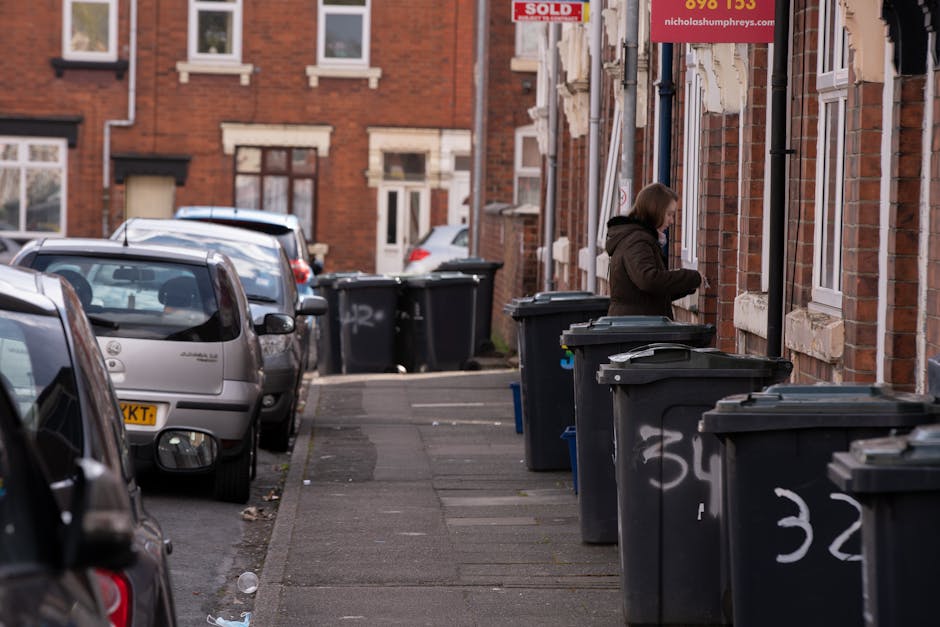
If you live, work, rent, manage a block, or look after a property along the stretch from Belsize Park Road to Swiss Cottage NW3, bin day has a way of becoming either wonderfully uneventful or oddly stressful. The difference is usually in the small details: where the bins are kept, what gets sorted into which container, when they are put out, and how you deal with the awkward stuff that never seems to fit neatly into a wheelie bin. This Bin collection guide for Belsize Park Road to Swiss Cottage NW3 brings those details together in one place, so you can stay tidy, avoid missed collections, and make waste handling feel much less like a weekly puzzle.
It is written for ordinary real-life situations, not perfect ones. A full household bin after a long weekend. A flat share with three different recycling habits. A shop front with packaging piling up faster than anyone wants to admit. Or that one day when the bin lid will not close and you are left wondering, "right, what now?"
Key takeaway: The best bin routine in NW3 is simple, consistent, and matched to your property type. Small habits beat big clean-ups every time.
Why Bin collection guide for Belsize Park Road to Swiss Cottage NW3 Matters
Bin collection sounds straightforward until you are the one dealing with overflowing recycling, awkward pavement storage, and neighbours who seem to produce twice as much rubbish as everyone else. In a busy London area like NW3, good bin management matters because the streets are close together, buildings are often multi-occupancy, and collection arrangements can vary from one address to the next.
There is also a practical side to this. When waste is not stored properly, it can attract pests, create smells, block shared access, and make the whole entrance feel cluttered. Nobody wants that, especially on a narrow residential road where one untidy bin bay can affect everyone else. To be fair, it only takes one missed collection or one windy evening for things to get messy fast.
For households and landlords, a reliable bin routine helps you stay on the right side of building rules, reduce contamination in recycling bins, and avoid the awkward "whose bag is this?" discussion that seems to happen in shared houses. For businesses, it helps maintain a cleaner frontage and avoids the kind of waste build-up that can make a good location look scruffy.
If you are interested in the wider area context as well, you may also enjoy an honest look at whether Swiss Cottage is a good place to live and a broader guide to everyday life in Swiss Cottage.
How Bin collection guide for Belsize Park Road to Swiss Cottage NW3 Works
At a practical level, bin collection in this area usually comes down to three moving parts: the waste streams you produce, the storage space available at your property, and the collection schedule that applies to your address. That sounds simple. It often is not, but simple is still the goal.
Most properties need to manage some mix of general waste, mixed dry recycling, food waste, and sometimes garden waste or bulky items. Flats and managed blocks may have shared bins or communal storage, while houses may have individual containers placed at the kerbside. Businesses can face a different set-up again, particularly if packaging, office waste, or customer-generated rubbish is involved.
The real trick is matching your routine to your space. If your bins are kept in a front yard or side return, you need to think about access, bin placement, and whether lids close properly. If you live in a flat, you need a shared system that works even when one person forgets. And if you are managing refurbishment or clearance waste, standard household bins are usually not enough. That is where planned removal and broader waste service options can make life easier.
In our experience, the most successful properties in NW3 are the ones where everyone knows the routine. Not the ones with the fanciest bins. The ones with the clearest routine.
Key Benefits and Practical Advantages
Getting bin collection right does more than keep the pavement tidy. It has a quiet ripple effect on everyday life.
- Cleaner entrances and kerb appeal: This matters if you rent out a property, manage a block, or simply want your home to feel calmer when you walk up to it.
- Fewer missed collections: Bins that are out on time, sorted properly, and easy to access are less likely to be overlooked or rejected.
- Less contamination: Recycling works better when food leftovers, nappies, and non-recyclables are kept out of the wrong bin.
- Reduced odour and pests: Especially useful in warmer weather or if bins are stored in enclosed areas.
- Smoother shared living: A clear routine avoids arguments in flats and house shares. Small thing, big mood difference.
- Better waste planning: Once you know what fills up fastest, you can arrange the right removal method before it turns into a problem.
There is also a less obvious benefit: consistency. A tidy waste routine tends to make the rest of the home or building feel more organised too. It sounds a bit much, maybe, but you notice it when it is missing.
Who This Is For and When It Makes Sense
This guide is useful for a wide range of people, but especially those dealing with the realities of NW3 housing and street layouts.
- Residents in terraced houses or mansion blocks: When storage is tight and pavement space matters.
- Tenants in shared homes: When everyone has different ideas about what counts as recycling.
- Landlords and managing agents: When you need a repeatable system that does not depend on one conscientious tenant doing all the work.
- Local business owners: Particularly if you generate packaging, office paper, or customer waste throughout the week.
- People clearing out clutter: If you are emptying a loft, cupboard, or office and household bins will not cope.
It also makes sense if you are in the middle of a life change. Moving in. Moving out. Renovating. Combining households. Setting up a new office. Those are the exact moments when waste multiplies before your eyes. One cardboard box becomes seven. Then suddenly the hallway looks like a mini depot.
If you are handling larger amounts of rubbish, it can help to compare routine bin collection with a dedicated local service such as rubbish collection in Swiss Cottage or, for broader disposal needs, waste removal in Swiss Cottage. That is not always necessary, but it is worth knowing the difference.
Step-by-Step Guidance
If you want this to work smoothly, keep the process boring. Boring is good here. Boring means repeatable.
- Identify what type of waste you are producing.
Start with the basics: general waste, recycling, food waste, garden cuttings, bulky items, or construction debris. Do not assume everything can go in one bin because, let's face it, that usually ends badly. - Check how your property stores bins.
Look at where bins are kept, who has access, whether lids close properly, and whether the collection point is easy for people to reach. For a block of flats, shared access rules matter quite a lot. - Sort waste at the source.
Put recycling aside while you are cooking, unpacking, or tidying. It is much easier than re-sorting a week later with a coffee stain on your sleeve. - Flatten and rinse where practical.
Flatten cardboard and remove obvious food residue from containers. You do not need to turn it into a museum exhibit, just make it usable. - Put bins out at the right time.
Follow the local collection routine that applies to your address or building. Leaving bins out too early can clutter the street; leaving them out too late can mean a missed collection. - Bring them back in promptly.
This is a small courtesy that makes a real difference. It keeps pavements clear and prevents bins becoming windblown obstacles. - Reset for next week.
Give the bin area a quick check: is there spillage, do liners need replacing, has a label fallen off, are shared bins in the right place?
If you are based near busy transport corridors or busier residential links, such as the routes around Swiss Cottage station and Finchley Road, a little extra discipline goes a long way. For local context, you may find this guide to rubbish collection near Swiss Cottage station and Finchley Road useful as well.
Expert Tips for Better Results
Here is the part people often skip, and then regret. A few simple habits can make bin collection much less annoying.
- Use matching liners or sacks: If everyone in a shared property uses the same style, it is easier to identify what goes where.
- Keep a spare bin bag nearby: This sounds minor. It is not. When the current bin is full and you are holding a peeled onion skin and a takeaway container, a spare bag saves time.
- Label shared bins clearly: Especially for recycling, food waste, and general waste. A label on the lid is often enough.
- Stop overflow before it starts: If a bin is already near capacity, do not keep squeezing in more. That is how you end up with lids propped open and rubbish scattered at the kerb.
- Build a Friday reset: A quick end-of-week check works better than a heroic Sunday rescue mission.
- Keep bulky waste separate: Old furniture, broken appliances, and renovation debris should not be treated like everyday rubbish.
For properties with gardens or outdoor spaces, garden cuttings and soil can change the whole picture. If that is your situation, garden waste removal in Swiss Cottage may be a more sensible route than waiting for bin space that never really appears.
Small human note: a tidy bin area does not make life perfect, obviously, but it does remove one of those low-level irritations that can nag at you all week. And that is worth something.
Common Mistakes to Avoid
Most bin problems are avoidable. Most. Not all, because London weather and neighbour behaviour can still surprise you.
- Mixing recycling with food waste: One greasy container can spoil a lot more than people expect.
- Overfilling the bin: If the lid does not close, the collection team may not be able to take it as intended.
- Leaving bags beside bins: This can attract pests and make the area look neglected.
- Forgetting shared arrangements: In flats, one person's mistake becomes everyone's problem.
- Storing bins in inaccessible spots: A lovely idea in theory. A headache on collection day.
- Ignoring larger disposal needs: If you are clearing a flat or doing minor works, household collection alone may not be enough.
One mistake that comes up a lot in mixed-use streets is assuming every kind of waste can wait for the next regular collection. It cannot. Cardboard from a new delivery, old chairs from a declutter, and builders' rubble all need different handling. That is where the distinction between standard bin collection and dedicated disposal matters.
Tools, Resources and Recommendations
You do not need a giant setup to manage waste well. A few sensible tools are enough.
- Colour-coded bags or stickers: Useful in shared homes and small businesses.
- Durable bin liners: Especially for general waste and food waste.
- Compact indoor caddies: Handy for kitchens where food waste needs a separate container.
- Basic gloves and cleaning spray: For the inevitable occasional spill. Not glamorous, but practical.
- Storage hooks or clips: Great for keeping bin lids secure in windy weather.
- A simple waste log: In managed properties, this helps track recurring issues or overflow patterns.
For readers who want to think a bit more strategically about waste, the site's recycling and sustainability guidance is a helpful companion read. And if you are comparing service support, the pricing and quotes page may help you understand how different waste jobs are usually approached.
Some properties also benefit from a one-off clearance rather than repeated bin juggling. In those cases, house clearance in Swiss Cottage or office clearance in Swiss Cottage can be a cleaner reset than trying to force everything into the normal routine.
Law, Compliance, Standards, or Best Practice
Waste handling in the UK is shaped by general legal duties and local collection arrangements, though the exact day-to-day rules depend on the property and the relevant waste authority. Rather than guessing, it is best to treat compliance as a few simple principles: store waste safely, separate recyclables where required or practical, do not obstruct pavements, and dispose of special items through appropriate channels.
For landlords and managing agents, good practice usually means providing enough bins, clear instructions, and a system that works for the people actually living there. For businesses, it means making sure waste is handled responsibly and that any contractor used is appropriate for the type of material being removed.
Safety matters too. Heavy bags, broken glass, sharp packaging straps, and awkwardly stacked items can create avoidable hazards. If your collection routine involves lifting or moving bulky loads, make sure the approach is safe and realistic. The site's insurance and safety information is a sensible place to understand the general expectations around careful handling.
There is also a wider responsibility to keep waste managed properly. That includes not dumping items outside a property because the bin is full, and not treating shared spaces like a spare storage room for rubbish. It sounds obvious, but you would be surprised how often that line gets crossed.
Options, Methods, or Comparison Table
Depending on how much waste you produce, there are a few ways to manage collection in Belsize Park Road to Swiss Cottage NW3. The right choice depends on volume, frequency, and how much space you have for storage.
| Method | Best for | Strengths | Limitations |
|---|---|---|---|
| Standard household bin collection | Regular domestic waste and recycling | Simple, familiar, low-effort | Not suitable for bulky or unusual items |
| Shared bin arrangements | Flats and managed buildings | Efficient when well-run | Depends on good resident behaviour |
| Scheduled commercial waste collection | Shops, offices, and hospitality settings | Designed for recurring business waste | Requires planning and proper segregation |
| One-off rubbish collection | Clear-outs and sudden build-up | Fast response, less clutter pressure | May cost more than routine disposal |
| Specialist clearance | Builders' waste, large furniture, estate clearances | Handles awkward loads properly | Needs more coordination |
If you are dealing with refurbishment waste, it is usually better to use a dedicated option such as builders waste disposal in Swiss Cottage rather than trying to manage it through household bins. The same goes for properties with a lot of mixed rubbish after decorating, moving, or downsizing.
Case Study or Real-World Example
Picture a three-storey Victorian conversion near Swiss Cottage, with four tenants, a narrow front path, and one shared set of bins. On paper, the system should be easy. In practice, it kept failing because everyone was leaving recycling "just for later," which usually meant later was never. By the time collection day came round, the lids would not close and there would be loose cardboard leaning against the wall.
The fix was not complicated. The household agreed on a visible bin label, a small indoor recycling caddy for the kitchen, and a Friday evening sweep to flatten cardboard before the weekend rush. One person was assigned to wheel the bins out, another to bring them back in, and everyone was told to keep large delivery boxes out of the shared hallway.
Within a few weeks, the bin area stopped looking like a temporary storage yard. More importantly, nobody had to have the same annoying conversation every Monday. Not dramatic. Just better. And that is often how good waste routines work: the win is not flashy, it is quiet.
A different example is a small office close to the Finchley Road corridor. Paper waste, packaging, and takeaway containers kept overflowing a standard bin before the end of the week. Rather than adding more bags every Friday, the business switched to a clearer separation method and a more appropriate collection arrangement. The result was less mess, fewer complaints, and a tidier entrance for clients.
Practical Checklist
Use this checklist before collection day and you will save yourself a good deal of hassle.
- Bins are sorted by waste type.
- Lids close properly.
- Recycling is clean and uncontaminated where practical.
- Cardboard is flattened.
- Food waste is sealed in the right container.
- Shared residents or staff know who is responsible for putting bins out.
- Nothing is left beside the bins unless the collection method allows it.
- Bulky items are booked separately if needed.
- Bins will not obstruct the pavement or shared access route.
- Bins are brought back in promptly after collection.
- The bin area has been checked for spillages, leaks, or damage.
If you can tick most of those off, you are already ahead of the game. Honestly, that is enough for most properties.
Conclusion
A good bin collection routine for Belsize Park Road to Swiss Cottage NW3 is not really about bins at all. It is about making a busy part of London feel manageable. When waste is sorted properly, stored sensibly, and removed on time, everything else becomes easier: your entrance looks better, your shared spaces feel calmer, and the weekly shuffle stops being a source of low-grade stress.
Whether you are looking after a home, a flat, or a small business, the smartest approach is the one you can actually keep doing. Keep it simple. Keep it consistent. And do not wait until the bins are overflowing to make a change.
If your waste is starting to outgrow the normal routine, it may be time to explore a more suitable local disposal solution rather than trying to make standard bins do an impossible job.
Get a free quote today and see how much you can save.
And if all you do after reading this is fix one habit this week, that still counts. Waste management is rarely exciting, but a tidy street and a clear mind are nice things to come home to.

 Tipper Van - Home Waste Disposal and Rubbish Removal Prices in Swiss Cottage, NW3
 Luton Van - Home Waste Disposal and Rubbish Removal Prices in Swiss Cottage, NW3