Waste removal tips for Adelaide Road residents Swiss Cottage
Posted on 12/08/2026
If you live on or near Adelaide Road in Swiss Cottage, waste removal can feel oddly complicated for something so ordinary. One week you are clearing out a broken wardrobe, the next you have cardboard stacks, a garden cutback, or a "where on earth did all this come from?" moment after a big tidy-up. The good news is that waste removal tips for Adelaide Road residents Swiss Cottage do not need to be fancy. They just need to be practical, local, and consistent.
This guide walks you through the everyday realities of rubbish removal in this part of north-west London: how to sort waste properly, what to do before collection, how to avoid common mistakes, and when a professional service is the smoother option. You will also find a checklist, a comparison table, and a few human, real-world pointers that make the whole process less stressful. Let's face it, nobody wants rubbish hanging around the hallway for longer than necessary.
For readers who want to understand the wider local context of Swiss Cottage living as well as the practical side, you may also find your ultimate guide to Swiss Cottage living helpful. It gives a broader sense of the area while this article focuses squarely on getting waste out of the way efficiently.
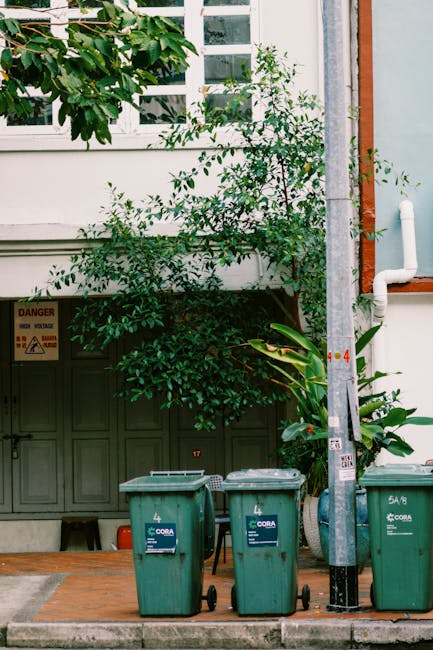
Why Waste removal tips for Adelaide Road residents Swiss Cottage Matters
Adelaide Road sits in a busy, lived-in part of Swiss Cottage where homes, flats, shared entrances, and busy pavements all meet in a fairly tight space. That matters because waste is not just about "getting rid of stuff". It is about timing, access, neighbourliness, safety, and making sure nothing turns into clutter outside your door.
In practical terms, a good waste removal routine helps you avoid the classic London problem of bags lingering in a communal area for too long. It also reduces the chance of trip hazards, smells, pests, and the awkward shuffle of moving a sofa through a narrow hallway at 8 a.m. while everyone else is trying to get on with their day. You know the scene.
Waste removal matters even more if you live in a flat or share bins with neighbours. One poorly sorted load can affect everyone. And if you are planning a move, doing renovations, or simply reclaiming storage space, being organised from the start saves time and, frankly, a bit of sanity.
There is also the sustainability side. The better you separate reusable, recyclable, and general waste, the more likely it is that useful material stays out of landfill. If that matters to you, the site's recycling and sustainability approach is a sensible page to keep in mind alongside this guide.
Expert summary: The best waste removal approach for Adelaide Road residents is usually the one that is quick, sorted properly, and suited to the size of the load. Small jobs need simplicity; larger jobs need planning.
How Waste removal tips for Adelaide Road residents Swiss Cottage Works
At street level, waste removal usually follows a straightforward pattern: identify what needs to go, sort it by type, make it accessible, and choose the right disposal route. That sounds simple enough. In reality, the details decide whether the job feels easy or mildly chaotic.
For lighter household waste, you may be able to use normal bin collections for what the system accepts, while bulky or mixed items often need a separate collection. For bigger clear-outs, a dedicated service is often more efficient because the team can remove several waste types in one visit, saving you the repeated back-and-forth of loading and unloading.
The main thing to remember is that waste is rarely one neat category. A wardrobe can contain wood, metal fixings, packaging, and maybe a few long-lost socks. A garden clearance might involve soil, branches, green cuttings, old pots, and broken fencing. And then there is builder's waste, which tends to be a mixed bag of heavy, dusty, awkward material that does not play nicely with ordinary household disposal.
If your job is more than a few bags and one or two small items, a service designed for local collection is usually the smoothest route. You can review the broader options on the services overview and compare them with specific needs such as rubbish collection in Swiss Cottage or waste removal in Swiss Cottage.
One small but important point: access in Adelaide Road can influence how the work is done. If parking, stair access, or entry times are awkward, planning becomes more important than muscle. A tidy, labelled pile near the exit often saves more time than people expect.
Key Benefits and Practical Advantages
Good waste removal is not only about convenience. It has ripple effects that show up almost immediately once the rubbish is gone.
- Less clutter: rooms feel larger, hallways stay usable, and storage stops becoming a black hole.
- Better hygiene: waste kept under control means fewer smells, stains, and pest risks.
- Safer movement: fewer trip hazards around entrances, stairwells, and communal spaces.
- Faster projects: decluttering, moving, decorating, or renovating becomes easier when waste is cleared promptly.
- Lower stress: one clear plan beats a pile of half-finished bags and boxes every time.
- More responsible disposal: separating waste properly gives recyclables a better chance of being recovered.
There is a quieter benefit too: when waste leaves the home quickly and cleanly, the whole place tends to feel calmer. That may sound a little dramatic, but people notice it. A fresh-start feeling is real. Even a Sunday morning with sunlight on a cleared floor can change the mood of a flat.
If your clear-out is connected to a bigger life event, such as moving house or reshaping your space, the local context can help. Articles like is Swiss Cottage a recommended area to live in? and Swiss Cottage property market insights can add a useful neighbourhood perspective while you plan the practical side.
Who This Is For and When It Makes Sense
These waste removal tips for Adelaide Road residents Swiss Cottage are useful for more people than you might think. It is not just for big renovation jobs or full house clearances.
This is for you if you are:
- moving in or moving out of a flat or house
- decluttering after years of "I'll deal with that later"
- clearing bulky furniture, mattresses, or broken appliances
- doing a kitchen, bathroom, or flat refresh
- tidying a garden or balcony space
- supporting a relative with a sensitive house clearance
- running a small office or home office that has built up surplus items
- managing post-builder debris after a project
It also makes sense when your waste is awkward, mixed, or time-sensitive. If you are looking at a stack of items and thinking, "That's too much for one trip, but not enough to justify a massive operation," that is usually the point where structured collection saves effort.
A smaller, routine load may only need a simple collection plan. But if you are dealing with furniture, renovation debris, or mixed waste from several rooms, a more comprehensive approach is often better. For example, house clearance in Swiss Cottage can be the right fit for larger domestic jobs, while builders waste disposal in Swiss Cottage is more suitable when rubble and offcuts are part of the picture.
Step-by-Step Guidance
If you want a process that feels manageable, start here. One pile, one decision at a time. No drama.
- Walk through the property and list the items. Be honest about volume. A single "big pile" often turns out to be six different waste streams.
- Separate by category. Keep recyclables, general waste, reusable items, green waste, and bulky items apart where possible.
- Check what can be reused. Some items may be suitable for donation, resale, or reuse by someone else. That is not just a nice idea, it can reduce what you pay to remove.
- Break down items if safe to do so. Flat-pack furniture, cardboard, and some soft items are easier to move once compacted. Do not force it, though. If dismantling creates more mess or risk, leave it.
- Clear a route. Make sure front doors, hallways, and stairwells are open enough for removal. Small flats can turn into obstacle courses quickly.
- Label anything unusual. Mixed materials, sharp edges, fragile items, and heavier loads should be easy to identify.
- Choose the right collection method. The method depends on size, access, time, and waste type.
- Keep the collection point practical. Put items somewhere accessible but not blocking neighbours or exits.
- Do a final sweep. Check for nails, loose screws, glass, and spillages. This step sounds tiny. It is not tiny when someone catches a shoe on a stray screw.
If your job is very close to Swiss Cottage station or Finchley Road, timing matters a little more than usual because foot traffic and vehicle movement can add to the logistics. For that kind of local collection scenario, this article on rubbish collection near Swiss Cottage station and Finchley Road is a useful companion read.
Expert Tips for Better Results
Here is where the small improvements really pay off. These are the kinds of things that make a collection feel smooth rather than rushed.
- Measure before you move. A sofa that looks fine in the living room can become a nightmare at the staircase turn.
- Keep wet and dry waste apart. Wet cardboard, soil, and food waste can make a load heavier and messier than needed.
- Remove valuables early. Old drawers and cupboards often hide things people forget about: keys, paperwork, chargers, even cash once in a while.
- Protect shared areas. In blocks of flats, a bit of care with floors, walls, and door frames goes a long way.
- Schedule wisely. Midweek or earlier in the day often feels less fraught than trying to do everything on a crowded evening slot.
- Think in layers. What can be kept, sold, donated, recycled, or disposed of? Not everything needs to become rubbish.
To be fair, the biggest expert tip is usually this: do not wait until the waste has grown into a monument to indecision. The pile never shrinks by looking at it. Annoying, but true.
If you are comparing services or trying to understand which option is worth paying for, the page on pricing and quotes is a sensible place to look before you commit. It helps to understand cost structure before the van shows up at the curb.

Common Mistakes to Avoid
Most waste removal problems come from simple, avoidable mistakes. Nothing exotic. Just a few things people tend to underestimate.
- Leaving sorting until collection day. That is how stress happens.
- Mixing hazardous or specialist materials with normal household waste. If in doubt, pause and check the item category carefully.
- Overfilling bags and boxes. Heavy loads are harder to carry and more likely to tear.
- Blocking corridors or exits. It is unsafe and irritating for everyone involved.
- Forgetting access restrictions. Narrow stairs, parking limitations, and shared entrances all affect the plan.
- Assuming "everything recyclable" means anything can go together. Recycling is useful, but only when items are separated correctly.
- Underestimating the volume. A few bags can become a van-load surprisingly fast.
Another common slip: people wait until they are emotionally tired, then try to sort a whole flat in one go. It rarely ends well. If you can, split the job into stages. Even fifteen tidy minutes can transform a room. Really.
Tools, Resources and Recommendations
You do not need a van full of equipment to handle waste well. A few simple tools make the job much easier.
- Heavy-duty rubble sacks or strong bin bags for light mixed waste
- Box cutters and screwdrivers for breaking down furniture safely
- Work gloves to protect hands from splinters, glass, and sharp edges
- Sturdy tape and labels if you are sorting several categories at once
- Trolley or sack barrow for heavier loads, where access allows
- Cleaning cloths and a dustpan for the final clear-up
For larger jobs, a professional team can save a lot of back strain and time. If you want broader background on what is available, the services overview provides a good summary. For a more direct house-to-house service, rubbish collection and waste removal are often the most relevant entry points.
If your clearance is tied to a home refresh and outdoor tidy-up, then garden waste removal in Swiss Cottage can be especially useful. Branch cuttings, soil, old planters, and small outdoor junk build up faster than people expect, especially after a wet spell and a bit of overgrown enthusiasm.
Law, Compliance, Standards, or Best Practice
Any waste removal job should be handled with care and within normal UK best practice. Without drifting into legal jargon, the main principles are simple: do not fly-tip, do not leave waste where it creates a hazard, and make sure specialist materials are handled appropriately.
For residents, the practical rule is to keep waste contained, sorted where possible, and ready for collection in a way that does not create nuisance or danger. For businesses and landlords, the standard is higher because of duty of care expectations and the need to keep clear records of how waste is removed. If you manage a property or office, it is worth being more structured than casual.
Some waste types deserve extra caution. Sharps, certain electrical items, heavy rubble, chemicals, and contaminated materials should not be treated like ordinary household junk. If something looks questionable, treat it as a specialist item until proven otherwise. That may sound cautious, but it is the right instinct.
Professional providers should also operate with attention to safety, insurance, and fair handling. For reassurance on those practical points, it helps to review insurance and safety and, if relevant to your values, the company's modern slavery statement. Those pages are not glamorous, obviously, but they do tell you something important about operational standards.
And yes, cookie policies and privacy policies matter too when you are booking online or sharing personal details. If you are checking that side of things, see the site's privacy policy, terms and conditions, cookie policy, and accessibility statement.
Options, Methods, or Comparison Table
Choosing the right waste removal method depends on volume, timing, and the type of waste. Here is a simple comparison.
| Method | Best for | Pros | Watch-outs |
|---|---|---|---|
| Standard household bin use | Small everyday waste | Simple, familiar, low effort | Not suitable for bulky or mixed items |
| Self-sorted drop-off style disposal | Residents who can transport items safely | Good control over sorting | Time-consuming; access and vehicle space matter |
| One-off bulky collection | Furniture, appliances, mixed clear-outs | Fast and convenient | Needs planning and accurate volume estimate |
| House clearance service | Whole rooms or full properties | Efficient for larger domestic jobs | Best when you know the load is significant |
| Builders waste disposal | DIY and renovation debris | Suited to heavy, awkward material | Need to separate construction waste properly |
| Garden waste removal | Cuttings, soil, outdoor clutter | Keeps green waste under control | Moist material can be heavy and messy |
If you are not sure which path fits your situation, think about the number of trips, the lifting involved, and whether the waste is mixed. If the answer to those questions is "many, a lot, and yes", the simpler option is usually the better one.
Case Study or Real-World Example
Imagine a ground-floor flat on Adelaide Road after a long-overdue declutter. There is a broken chest of drawers, three black bags of mixed household waste, a pile of flattened cardboard, an old rug, and a couple of small bathroom items left over from a refresh. Nothing extreme. But enough to clutter the entrance and dominate the weekend.
The residents start by separating cardboard from the mixed waste. They remove a few reusable items, bag loose rubbish properly, and set aside the rug and drawers for collection. Because the route from the flat to the street is clear, the collection itself is fairly quick. The whole job becomes much easier because the sorting was done before the vehicle arrived.
Now imagine the same job done without preparation: bags half-filled, furniture still assembled, and no thought given to access. That version takes longer, feels messier, and usually ends with more frustration than anyone wanted. Different result, same rubbish. Planning makes the difference.
That is the quiet truth behind waste removal tips for Adelaide Road residents Swiss Cottage: the best outcomes usually come from preparation, not effort alone. A small bit of organisation saves a lot of time.
Practical Checklist
Use this checklist before your next waste removal day.
- Identify every item you want removed
- Separate recyclables, reusables, general waste, and specialist waste
- Break down items safely where possible
- Measure large items against doors and stair turns
- Clear hallways, landings, and entry points
- Check parking and access arrangements if needed
- Put sharp or fragile items aside clearly
- Remove personal documents and valuables first
- Bag loose waste securely
- Protect floors and communal areas if the route is tight
- Confirm the collection time and waste type
- Do a final sweep once the load is gone
If you want a slightly broader neighbourhood perspective while planning your tidy-up, this guide to living in Swiss Cottage and local Swiss Cottage party spots show how varied everyday life in the area can be. Not every load is glamorous, of course. Rubbish rarely is.
Get a free quote today and see how much you can save.
Conclusion
Waste removal on Adelaide Road does not have to be a headache. Once you sort the waste properly, think about access, and choose the right removal method, the whole process becomes much more manageable. That is really the heart of it. Simple, but not always easy until you make it simple.
For most residents, the best approach is the one that keeps the property tidy, the neighbours untroubled, and your weekend mostly intact. Whether you are clearing one bulky item or tackling a bigger domestic job, a little planning pays off in a big way. And if you want support with a more substantial load, the relevant local services are there to make the job less of a lift-literally and mentally.
Sometimes the best home improvement is just getting rid of the things you do not need anymore. Oddly satisfying, really.

 Tipper Van - Home Waste Disposal and Rubbish Removal Prices in Swiss Cottage, NW3
 Luton Van - Home Waste Disposal and Rubbish Removal Prices in Swiss Cottage, NW3